Need termite treatment in Cleveland?
Describe the problem and request an estimate. A local provider from our network will follow up with next steps. No obligation.
No obligationRequest a termite estimate
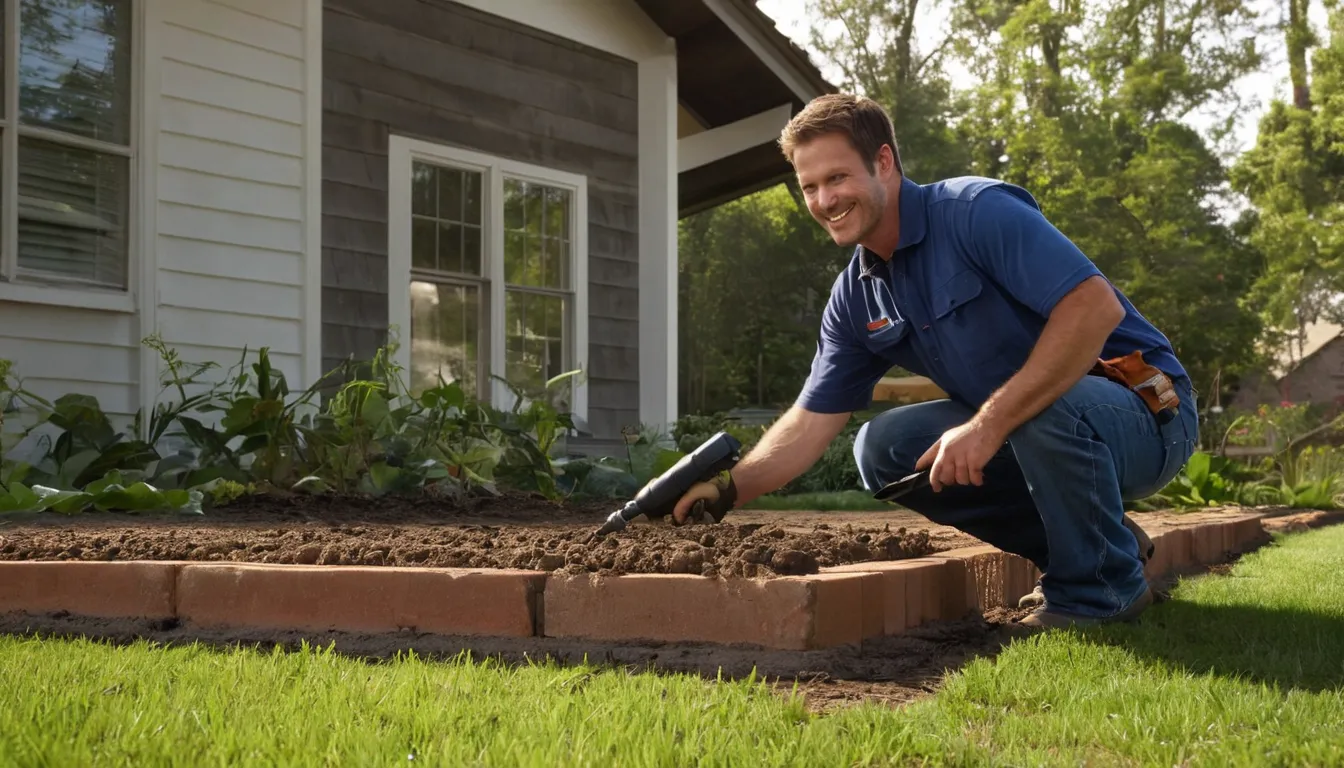
Termites chew wood from the inside, so the first sign is often small. A mud tube on a foundation wall, a pile of shed wings or a soft spot in a floor joist can mean a colony is active. Termite treatment stops that activity and protects the wood that is left.
Hearfine Pest Control is a referral service. Providers do the work, not Hearfine Pest Control. Request an estimate and a local provider in our network can inspect, name the termite type and quote a plan. This page covers methods, costs and what comes after, so you know the next step before treatment begins.
Mud tubes, discarded wings or soft wood can all point to termites. Stay calm. Termites work slowly, and you have time to compare options before anyone starts work.
Termites feed constantly. A mature colony can hold many thousands of workers, and they eat wood from the inside out. The surface can look fine while the structure weakens.
Floor joists, sill plates and wall studs often go first. Older frame houses and many bungalows have wood close to the soil, which gives termites easy access. Damp basements after spring flooding add the moisture they like. Acting early usually means a shorter repair list.
Most signs are small. Check these spots.
Flying ants look similar to winged termites. Termites have a thick waist, straight antennae and wings of equal length. A provider can confirm what you have.
Three types matter in the U.S. Each calls for a different plan.
These live in soil and travel through mud tubes. They are the most widespread type and the usual one where winters are cold. They move deep underground during hard frost, then return to wood when the ground warms.
These live inside dry wood with no soil contact. They are most common in warm states, but they can arrive inside used furniture.
These prefer wet, rotting wood. Leaks and poor drainage invite them, so fixing the moisture is part of the plan.
Providers match the method to the termite type, the home's design and your budget. These are the main options.
The provider checks the foundation, basement, crawl space and attic. They probe wood, map the activity and name the species. Ask for the findings in writing.
A liquid termiticide goes into the soil around the foundation. Slabs may need small drilled holes. Termites that cross the treated zone carry the product back to the colony. Full basements often mean trenching and drilling along the walls.
Stations sit in the ground around the house. Termites eat the bait and share it with the colony. This is slower and uses less liquid, but the stations need regular checks.
Spot treatments handle small drywood areas. Whole-structure fumigation covers the house with a tent, and you stay out for a few days. Providers reserve it for widespread drywood problems.
Buyers and lenders often ask for a wood-destroying insect report. Order it early. It lists active signs, past treatment and areas the inspector could not reach. If it finds activity, you can treat before closing or negotiate with the buyer. Request a callback to check provider availability around your closing date.
Ask each provider these questions:
Get at least two quotes. Compare the method, not just the price.
Expect activity to drop over weeks, not overnight. Keep mulch, firewood and soil away from siding. Fix leaks. Point gutters and sump pump discharge away from the walls. Run a dehumidifier in damp basements.
Book a yearly inspection. Some policies may cover sudden damage, but termite damage is often excluded, so check your policy. Providers can often help document damage for a claim.
A provider checks the foundation, basement, crawl space and attic, then names the termite type.
You get the method, the area covered and the price in writing.
Liquid barrier, bait stations or wood treatment, matched to your home and termite type.
Many providers schedule return visits to confirm activity has stopped and the treatment holds.
Prices vary by home size, termite type, method and local rates. These are typical U.S. ranges only. Always get a written quote before agreeing to any work.
| Item | Typical range | Notes |
|---|---|---|
| Termite inspection | $75 – $300 | Some providers credit it toward treatment |
| Spot treatment | $250 – $900 | Small, confined drywood areas |
| Liquid barrier treatment | $1,200 – $3,500 | Depends on linear feet of foundation |
| Bait station system | $1,500 – $3,500 | Plus monitoring fees |
| Whole-home fumigation | $2,000 – $8,000 | Based on home size; you leave for a few days |
| Wood damage repair | $500 – $5,000 | Varies widely with how much wood is affected |
Describe what you found and where. Add photos if you have them.
A local provider in our network reviews your request and contacts you.
The provider names the termite type and explains the findings and options.
Read the written quote, ask questions, then decide. The provider does the work.
You see the likely methods and next steps first, so no decision gets rushed.
Requests go to independent providers who know the soil, climate and housing types nearby.
Each technical term is explained once, in simple words, without sales pressure.
Request an estimate and compare. You choose whether to hire anyone.
Describe the problem and request an estimate. A local provider from our network will follow up with next steps. No obligation.
No obligationTermites have a thick waist, straight antennae and two wings of equal length. Flying ants have a pinched waist, bent antennae and uneven wings. Mud tubes and damaged wood also point to termites.
Store-bought products rarely reach the whole colony, and spraying can scatter it. Professional methods place treatment in the soil or wood where termites live. A provider can inspect and explain which option fits your home.
Many liquid barrier jobs take a day or two. Bait systems take longer to show results. Fumigation usually needs a few days out of the house. Your provider can give a timeline.
Describe the problem and request an estimate. A local provider from our network will follow up with next steps. No obligation.
No obligation